Sunday, 5 June 2011

3 Easy and Simple Bread Machine Recipes


The bread machine is perhaps my favorite kitchen appliance, and the smell of fresh bread wafting through the house on a Sunday morning is simply irresistible. The wondrous machine brings so much joy to our family, and makes it so easy to experiment that it seems we have a new flavor every week!

Sometimes though, it's nice to go back to the basics, to make the simplest bread there is. So today, I'd like to share our recipes for a simple Amish White Bread, Simple Whole Wheat Bread, and Bagel Bread. Read on.

Amish White Bread:

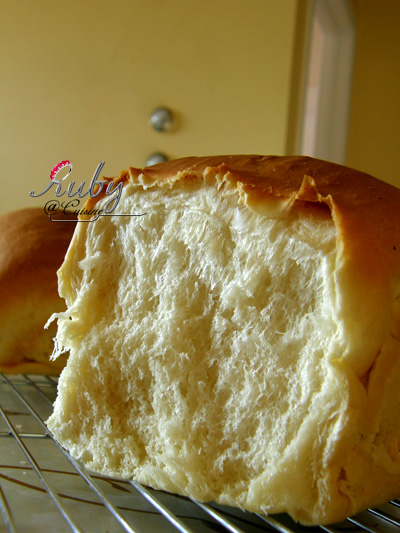
Treat yourself to this gorgeous fluffy pillow-like white bread. You'll need

- 2 cups warm water

- 2/3 cup sugar

- 1 1/2 tablespoons yeast

- 1 1/2 teaspoons salt

- 1/4 cup vegetable oil

- 6 cups bread flour

Instructions:

Dissolve the sugar in the water first, and stir in the active yeast. Then add to your bread machine in the order specified by the maker and set it on standard white bread setting, normally number 1.

Simple White Whole Wheat Bread:

For those of you who think white bread is unhealthy, well - it isn't if you make it yourself. The stuff you can buy in the shops - yep, that is pretty unhealthy. But if you are worried, then here is a whole wheat recipe instead.

- 1 cup warm water

- 2 teaspoons active dry yeast

- 1 1/4 tablespoon dry milk

- 1 teaspoon salt

- 1 1/2 tablespoons butter

- 1 1/4 tablespoons honey

- 1 tablespoon gluten

- 2 teaspoons molasses

Preparation:

The trick to making awesome whole wheat bread in the bread machine is to knead it twice. Add all the ingredients in the usual order specified by the machine maker, then when the knead cycle has finished, simply reset the machine and start again. This is assuming your machine doesn't have a specified whole wheat cycle - if it does, use that instead.

Bagel Bread:

The Bagel dough has a little more of a meaty texture to it, and is quite chewy and consequently filling. This is so simple to make you'll need to visit the store again!

- 110ml milk

- 5 tablespoons warm water

- 1 egg

- 310g bread flour

- 1 tablespoon caster sugar

- 1 teaspoon salt

- 1 1/2 teaspoon yeast

Set it on the basic bread cycle, and remember to leave to cool on a wire rack for at least an hour before cutting or serving it.

Enjoyed these bread machine recipes? If you have kids, why not try some of these bread craft kids recipes with your freshly baked bread!

Article Source: http://EzineArticles.com/?expert=James_A_Bruce
http://EzineArticles.com/?3-Simple-Bread-Machine-Recipes&id=5572537

Monday, 30 May 2011

Make Cinnamon Bread

Make Cinnamon Bread

Cinnamon bread is a great and delicious snack or breakfast that you can easily prepare by simply following a few instructions. You will find that you can customize the appearance and flavor later on as you master the basics. It is important that you understand the nature of the bread as well, so you avoid minor accidents like burning the bread too much.

Initial Steps

First, take the bread, then toast it at around 4 to 5 degrees to attain the crispy nature. Ideally, you should use whole wheat bread. Make sure that you do not burn the bread. Kids should properly be trained, to avoid any injury. Put honey on the two slices of bread. Just put enough so that you get a bitter taste once you reach the next step. Bee's honey is recommended, especially those that are made only from all-natural ingredients. Processed honey may make the bread too bitter.

Sprinkle cinnamon on both slices of bread as you prefer. There are small packets of cinnamon available at your local grocery store. Stack the slices, then warm these inside the microwave for 20 seconds, so that the honey and cinnamon can melt at the same time, providing you with quality flavor.

To finish off the recipe, you can top the cinnamon with small banana slices or place these at the side. This can be stored easily inside your refrigerator, so you only have to microwave in the morning for a quick and easy breakfast.

Cinnamon Swirl Bread

Cinnamon swirl bread is also very easy to make. Make the regular dough, but instead of shaping it instantly into a loaf, roll it out on the counter. Sprinkle the dough with a combination of sugar and cinnamon. You will need about 2 teaspoons of cinnamon together with 1/4 cup of sucanat. Roll the dough up. Poke the ends underneath to create the loaf shape, then put inside a butter bread pan. Allow the loaf to rise about 30 to 45 minutes and bake. You will find that the bread is better if lightly toasted and buttered. Eat with a glass of milk or coffee.

The Cinnamon Pita Bread

To make cinnamon pita bread, add some cinnamon and sugar on top of the rounds of pita dough before you bake. You can readily eat this or stuff a few raisins inside the rolled form together with some butter for more flavor. It is not recommended, however, to cook the pita bread together with the raisins, since 500 degrees F will scorch the raisins, making your pita bread very bitter.

Feel free to add any condiments after you have cooked the cinnamon pita bread. You can add honey and butter while baking to give it a unique and savory smell. You can make more servings by sticking with the pita bread recipe. Store any excess inside an airtight container or inside the refrigerator. You can just reheat it anytime for a few minutes before serving. This can last several days or weeks.

Friday, 27 May 2011

A Yeast 101

A Yeast 101

There are 2 kinds of dry yeast instant yeast and regular active dry yeast. These can be used alternately depending on the needs of the baker and the kind of bread you want to make. There are some advantages between the two. You can also boost the standard yeast and bread recipes and formulations by altering the yeast. You will find that the characteristics of the bread also changes as you make the necessary adjustments.

Yeast Introduction

Instant yeast is also called quick rise, rapid-rise, fast rising or bread machine yeast. This kind has the benefit of boosting rising time. Compared to active dry yeast, the dough gets to rise only in half the time. The standard yeast bread formulations can be enhanced by alternating the yeast inside the recipe. Instant yeast is ground more finely and can absorb moisture in a smaller amount of time. It quickly changes sugars and starch to carbon dioxide, the little bubbles that cause the dough to stretch and expand.

About Active Dry Yeast

Active dry yeast is also known as compressed yeast or cake yeast. Prepare 1 package of dry active yeast. This is equal to about 1/4 ounce or 2.25 teaspoons. A 4-ounce jar of active dry yeast is equal to 14 tablespoons. 1 cube or cake of compressed yeast or fresh yeast is equal to 1 package of active dry yeast. Active dry yeast possesses a larger particle size compared to the instant active type, making it vital to proof water before using. The recommended water temperatures will change depending on the manufacturer, although it is usually between 100 to 115 degrees F.

You can store active dry yeast longer (about 1 year) if not opened at room temperature. It will also have a longer shelf life if frozen. You can put it directly inside the freezer in its vacuum sealed pack. If frozen, you can directly use it without thawing.

Opened active dry yeast can keep longer than 6 months in the refrigerator and about 12 months inside the freezer. You should store yeast in its original container with the open flap folded closed in a resealable plastic bag. It can lose its power by as much as 10% every month if only stored at room temperature and opened without the safety outer container.

Instant Yeast

1 envelope of instant yeast is equal to 1.25 ounce or 2.25 teaspoons. 1 cube or cake of compressed yeast is equal to 1.5 to 2 teaspoons of instant yeast. To exchange bread machine or instant yeast for active dry yeast, you can use 25% less instant yeast compared to active dry yeast. Instant dry yeast does not necessarily have to be active by warm liquid. The yeast has been made from various strains of yeast to make breads. Rapid rise yeast is more finely granulated compared to active dry yeast, so it cannot be dissolved in water first. It can placed straight to the dry ingredients. It is a good choice among bread machines.

Instant active yeast is added to dry ingredients. The liquid part of the recipe's ingredients should be warmed to about 120 to 130 degrees F to make the dough. The bread recipe will only need one packet of instant dry active yeast to rise. The first rise is substituted by a 10-minute rest. You do not have to punch the dough in after. The second rise is after the dough is shaped into a loaf.

Saturday, 21 May 2011

Simple And Delicious Bread Machine Recipes


If you've tried all the recipes that came in your bread machine recipe book you may want to be a little adventurous and try out some new ones. To avoid baking disasters its best you start off with recipes that are simple and straightforward. But this doesn't mean you have to bake bland bread; far from it.

If you've just been baking bread maybe you should be a little more adventurous and try making dough for bagels, brioche and other delicious pastries. As well as the bread maker recipes that follow, there's some dough ones too, that will, hopefully, whet your appetite enough to try them out.

Autumn Seed Bread

For me fall and the approach of winter signal the start of the home baking year. It's a time when the harvest is in and most ingredients that are used in baking are produced; things like wheat, seeds and preserves.

Ingredients - this will make a 1.5 to 2lb loaf

1 cup warm water

1 (.25 ounce) package yeast

1/4 cup honey

4 teaspoons vegetable oil

3 cups whole wheat flour

1/4 cup wheat bran (optional)

1 teaspoon salt

1/3 cup sunflower seeds

1/3 cup shelled, toasted, chopped pumpkin seeds

Directions

Apart from the seeds, put all the other ingredients into the bread pan in the order recommended by the manufacturer. Select the whole wheat cycle and press start. If your machine has a signal for fruit or nuts, add the sunflower and pumpkin seeds at the beep. Just before the bake part of the cycle you can brush on some beaten eggs on top of the dough loaf and sprinkle on some of the seeds.

Blue Cheese And Port Bread

This is delicious bread that I bake around Christmas time. I love to eat it while still warm in front of the fire with a glass of rich red wine.

Ingredients - this will make a 1lb loaf

2/3 cup warm water

2 cups bread flour

1 tablespoon sugar

1 teaspoon salt

2 teaspoons butter

2 tablespoons port red wine

1/4 cup Danish blue cheese

1/4 cup coarsely chopped walnuts

2 1/2 tablespoons applesauce

1 1/2 teaspoons yeast

Directions

Apart from the cheese and walnuts, put all the other ingredients into the bread pan in the order recommended by the manufacturer. Select the basic bread cycle and press start. If your machine has a signal for fruit or nuts, add the cheese and walnuts at the beep.

Brioche Dough

Brioche is a sweet, eggy bread that is almost a cake. It's perfect to eat first thing in the morning along with a cup of strong French coffee. The loaf is baked in the oven but the dough is prepared in the bread machine.

Ingredients - this will make a 1.5lb loaf

1/3 cup warm water (110 degrees F/45 degrees C)

3 eggs

2 egg yolks

3/4 cup softened butter

3 1/3 cups all-purpose flour

1/4 cup white sugar

1/2 teaspoon active dry yeast

Directions

Put all the other ingredients into the bread pan in the order recommended by the manufacturer. Select the dough cycle. While the dough is being nixed and kneaded you can preheat your oven to 350 degrees F (175 degrees C). Turn finished dough out onto a lightly floured board and knead 5 to 10 times. Separate into 2 or 3 pieces. Roll with hands into strips. Braid or twist strips together. Place onto a parchment lined baking sheet and brush the top with egg wash. Bake for about 20 minutes or until medium browned.

Perfect Bagels

Bagels make great sandwiches. The heavy, dense dough makes a bagel sandwich a meal in itself.

Ingredients

4-4 1/2 cups flour

2 x (.25 ounce) package yeast

1-1 /12 cups warm water

3 teaspoons sugar

1 teaspoon salt

1 additional teaspoon sugar

1 beaten egg white

Directions

Put all the ingredients into the bread pan in the order recommended by the manufacturer. Select the dough cycle. After the first kneading is finished, turn the machine off and allow dough to rise in pan for about an hour. Then bring a large pot of water to boil and add additional sugar; simmer, maintaining a slow steady boil. Turn on oven to 350°F. Prepare baking sheet with non stick spray and cornmeal. Turn out dough on a floured surface. Divide into 12 pieces. Shape bagels by making balls and punching a hole in the center. Put bagels, 3 or 4 at a time into water and cook for 1 1/2 minutes on each side. Transfer to baking sheet with slotted spoon and brush with egg white. Add any toppings you wish to use. When all the bagels are on the baking sheet, bake for 15-18 minutes or until golden brown.

The above bread machine recipes are just a few of my favorites. They're all delicious and easy to make. Experimenting with different recipes has not only been rewarding for me but also great fun and I hope you'll soon discover more recipes that you can call your own.

Follow the links for more delicious bread machine recipes as well as bread machine reviews on leading brands like Oster, Cuisinart and the Breadman bread machine.

Article Source: http://EzineArticles.com/?expert=Robin_Cassidy
http://EzineArticles.com/?Simple-But-Delicious-Bread-Machine-Recipes&id=911713

Friday, 20 May 2011

Experiment With Your Bread Machine

Experiment With Your Bread Machine

A bread machine is a great little appliance that makes a nice addition to any kitchen. It's amazing that someone figured out how to use the same pan for mixing the ingredients, kneading the dough, providing a warm place to rise the dough, squeezing out the gas in between dough risings, and finally baking the bread. The process is totally automated and for many recipes can be put on a time delay so that bread comes out of the hot oven when you are ready to eat it.

Bread produced by a bread machine is a little different from the store-bought sliced bread. The main difference is the texture. Bread produced by a bread machine has a coarser texture when compared to a slice of bread produced commercially. The crust may be firmer or darker depending on the bread cycle used and the amount of certain ingredients used in the bread.

Sugar as an ingredient in bread gives browning to the crust and color to the loaf and it improves the taste. Try substituting honey or molasses for the sugar in your recipe for a more natural bread. Use equal amounts, so if your recipe calls for 1 tablespoon of sugar use 1 tablespoon of honey or molasses instead.

The kinds of bread that a bread machine can make are as varied as your imagination. The basic white bread is a standard on which variations can be built. Many bread makers will sound out an audible alarm to alert you that now is the time to add your special ingredients so they can be incorporated into the dough before the last rise and bake.

Add any kind of "trail mix" ingredient that you like a couple minutes before the kneading cycle is complete. Raisins, sesame seeds, millet, crushed walnuts, pecan bits, chopped dried apricots, sunflower seeds, or any other favorite ingredient can be added to the bread dough. Try at first a quarter cup of your special ingredient for a regular-sized loaf or half a cup for a large loaf.

Another easy substitution to make is one egg for 1/8 cup of the liquid called for in your recipe. Eggs add softness to the bread and give it a wonderful aroma and flavor.

Recipes may call for applesauce, peanut butter, cottage cheese, or canned pumpkin for a totally different taste. Flavored breads make for wonderful toast, especially with a dollop of jam or cheese.

Naomi Gallagher is a writer and a fantastic cook with a love for machines that help her make the most of her time in the kitchen. Making homemade bread has become one of her specialties. Learn more by visiting her sites where she likes to write about making bread and cooking great food: http://carouselspicerack.com/ and http://sunbeambreadmachine.com/.

Article Source: http://EzineArticles.com/?expert=Naomi_Gallagher
http://EzineArticles.com/?Experiment-With-Your-Bread-Machine-to-Make-Variety-Breads&id=5206484

Saturday, 14 May 2011

Simple, Delicious And Easy Bread Machine Recipes

Simple, Delicious And Easy Bread Machine Recipes

There are thousands of free bread machine recipes online, so you really don't need to buy any recipe books. You can easily find them of recipe sites and forums. Here are a few to get you started.

Just because a bread maker recipe is free doesn't mean it's bland; many folks with a passion for home baking love to share their knowledge with others. And, don't be afraid in trying out a new one; bread machines allow you make perfect bread easily - you just have to follow the directions given and, in a couple of hours, you'll be eating delicious wholesome bread.

Italian Rosemary Bread

Ingredients - this will make a 1.5lb loaf

1 cup warm water

3 tablespoons olive oil - use good quality oil as it really does make a difference in the overall taste

1 1/2 teaspoons white sugar

1 1/2 teaspoons salt

1/4 teaspoon Italian seasoning

1/4 teaspoon freshly ground black pepper

1 tablespoon dried rosemary - you can also use fresh as well.

2 1/2 cups bread flour

1 1/2 teaspoons active dry yeast

Directions

Put all the ingredients into the bread pan in the order recommended by the manufacturer. Select the basic bread cycle.

Spicy Apricot Bread

Ingredients - this will make a 1lb loaf

1/2 cup dried apricots

1/2 cup water

2 1/4 cups bread flour

1 tablespoon dry milk

1 teaspoon sea salt

1/4 teaspoon ground cinnamon

1/2 teaspoon ground anise seed

1/2 teaspoon ground allspice

3/8 cup to 1/2 cup apricot nectar

1 tablespoon canola, safflower -- or oil

1 tablespoon honey

2 teaspoons active dry yeast

Directions

Put the apricots in a small saucepan with a little water and bring to boil. When at boiling point, remove the saucepan from the heat and allow to steep for 5 minutes. Drain the apricots, reserving the liquid, and spread them out on a double thickness of paper towels. Allow the apricots and the liquid to cool to room temperature. Except for the apricots, place all ingredients in the bread machine according to the manufacturer's directions. Measure the reserved cooking liquid and add enough apricot nectar to measure 5/8 of a cup. Select the whole wheat mode and start the machine. When you hear the signal to add extra ingredients, add the finely chopped apricots. At the end of the baking cycle immediately remove the loaf and allow it to cool completely before slicing or wrapping for storage.

Blueberry and Oatmeal Bread

Ingredients - this will make a 2lb loaf

1 tablespoon butter, softened

1 (16-ounce) can of blueberries

3 cups bread flour

1/2 cup rolled oats

1/2 teaspoon salt

2 tablespoons granulated sugar

1 1/2 teaspoons active dry yeast

Directions

Pour the contents of the can of blueberries into a 2 cup measure. Add water or reduce juice so that the total volume is 1 1/2 cups. Put all the ingredients into the bread pan in the order recommended by the manufacturer. Select the basic bread cycle.

The above are just some of the delicious and free bread machine recipes available online. There are thousands available, so spend some time looking and find some that really appeal to your taste buds.

Follow the links for free bread machine recipes as well as bread machine ratings on leading makes like the Toastmaster bread machine.

Article Source: http://EzineArticles.com/?expert=Robin_Cassidy
http://EzineArticles.com/?Simple,-Delicious-And-Free-Bread-Machine-Recipes&id=893749

Thursday, 12 May 2011

Follow Bread Machine Recipe Measurements for a Great Loaf

We all love a hot slice of bread, fresh from the oven. Whether you enjoy your bread with butter and garlic or toasted with jam, fresh-baked bread is hard to beat. It can be a tasty treat for a snack or the basis for everyday meals.

Putting effort into baking bread, with all the mixing and kneading and waiting necessary to form a loaf, there can still be bread failures. What a bummer to have your bread not turn out right after all that effort. Fortunately, most bread failures are still edible so all the ingredients shouldn't go to waste.

Unsatisfactory results are things like the bread not rising enough or having too much rising. The top or sides may collapse or the loaf may have an overall poor shape. Sometimes bread will have a very dark and too-thick crust. When it's a heavy or raw-tasting bread, we call that a brick and it's a do-over.

The easiest way to avoid these types of bread failures is to follow the recipe exactly and add the ingredients in the order given. Standard bread machine recipes have been researched and tested time and time again, so these recipes have the right proportions of ingredients. The amounts of ingredients are very important in making a perfect loaf of bread. Experimentation with amounts of ingredients is not suggested, except for the addition of special ingredients added near the end of the kneading cycle. It probably doesn't matter, except for taste, whether you add ¼ or ½ a cup of raisins to the mix for raisin bread.

Because altering the amounts of ingredients may affect the rising of the bread, carefully measured ingredients are the key to making a delicious and beautiful loaf of bread. Large amounts of dry ingredients, like one cup of flour or sugar, should be lightly spooned into a measuring cup so that the cup is overflowing. Do not scoop the empty cup into a container of flour as you might trap a large air bubble or pack in the flour too densely, which would make for an inaccurate measure. Take the flat edge of a knife and scrape the excess flour from the top of the cup. Make sure the cup is totally filled and has a smooth, even top. The same leveling technique should be used to measure small amounts of dry ingredients, like baking powder, cinnamon, dried milk or salt, using teaspoon or tablespoon measures.

A tip for measuring bulky items, like cottage cheese or applesauce, is to add them directly to a liquid measuring cup. The bread recipe will call for water or milk as the liquid ingredient, so measure that into a liquid measuring cup. It's easiest to use a two-cup measuring cup for this task as there will be enough liquid for measuring and enough space left over to add the second ingredient. Note the height of the liquid on the measuring scale. Spoon in the bulky ingredient until the correct amount is added. No need for dirtying a second measuring cup. Liquids go into the bread machine mixing pan first, so empty the measuring cup into the bread pan and continue with carefully measuring out the dry ingredients.

Naomi Gallagher is a writer and a fantastic cook with a love for machines that help her make the most of her time in the kitchen. Making homemade bread has become one of her specialties. Learn more by visiting her sites where she likes to write about making bread and cooking great food: http://lazysusanspicerack.com/ and http://toastmasterbreadmachine.com/.

Article Source: http://EzineArticles.com/?expert=Naomi_Gallagher
http://EzineArticles.com/?Follow-Bread-Machine-Recipe-Measurements-Exactly-for-a-Great-Loaf&id=5250135

Sunday, 8 May 2011

Understand the Kinds of Bread


There are several types of bread, each also having its own special features and characteristics. Bread can be eaten in different ways. People around the world prefer certain types of bread, depending on their basic needs and personal preferences. Understanding the qualities of each will help you learn how to prepare them better and with less problems.

The Different Types

Bread is a popular food in many societies. Every Asian society prefers steamed bread or noodles or rice. Bread is usually made using wheat-flour dough cultured with yeast, risen and baked inside an oven. Owing to the high levels of gluten, common wheat is the most basic grain used to prepare bread, although bread is also created from flour of other existing wheat species like emmer, durum, spelt, maize, rye, oats and barley. Common wheat is usually made for creating white bread. Other types of wheat are capable of creating black bread of good quality. Spelt bread is widely consumed in European countries. Emmer bread is a staple food in the Middle East. Canadian bread is known for its healthy consistency and high protein content.

Knowing the Breads

White bread is created from flour that only has the center part of the grain, called the endosperm. Brown bread is created using 10% bran and endosperm. It can also mean white bread with coloring added like caramel to provide a brown color. This is also known as wheat bread. Wheat germ bread has provided wheat germ for more flavor. Wholemeal bread has the entire wheat grain or the bran and the endosperm. It is also known whole grain or whole wheat bread, especially in North America.

More Bread

Wholegrain bread is similar to wholemeal bread or to white bread with whole grains added to boost fiber content. Roti is described as whole wheat bread consumed in South Asia. Another Roti variant is called Naan. Granary bread is created from granary flour. It is created using brown flour or malted white flour, whole grains and wheat germ. Unleavened bread does not have yeast and does not rise. Rye bread is created with flour using rye grain of different levels. It has higher fiber content compared to other bread types.

Quick breads are chemically leavened breads, usually having both baking powder and baking soda, plus a balance of alkaline ingredients and acidic ingredients. Some of the examples include muffins, pancakes, waffles and Boston brown bread.

Among Cultures

There are so many variations of bread such as chapattis, pitas, biscuits, naan, bagels, tortillas, brioche, baguettes, puris, lavash and pretzels. Tortillas are staple food in Mexico. There is also the pan dulce and bolillo which are commonly eaten by Mexicans during breakfast. In the Philippines, peple eat pan de sal which is rounded bread. In Spain, bread is referred to as pan. In Peru, sweet bread is eaten together with hot chocolate and butter.

Scottish people eat plain bread which is taller and thinner. The French eat pan bread used for toast or for making stuffing. Italians have several breadmaking recipes and usually eat large loaves and breadrolls.

Wednesday, 4 May 2011

Make Homemade Bread


There are virtually hundreds of different recipes in making bread. However, it will be more advantageous if you start with the basics. Homemade breads is very easy to prepare, more nutritious and has a personalized touch that cannot be copied by machines and commercial bakers. You can learn the basic steps then develop your own creative form. Here are tips.

What You Need

You will need 1 big mixing bowl. Experts recommend that you prepare a second one just in case. If you only have one, you can wash it in the middle of the bread making process. Other tools you will need include 1 spoon to stir the dough, 1 measuring cup, 1 measuring spoon (1 teaspoon recommended), 1 bread pan to bake the bread in and 1 hand towel to cover the bread as the dough rises to prevent dust and drafts from making contact.

The food ingredients you will need are 1/4 cup of milk, 5 teaspoons of sugar, 1 teaspoon of salt, 1 pack of active dry yeast from your local grocery store, 5 teaspoons of butter, 2.5 to 3.5 cups of flour (preferably unbleached white) and non-stick cooking spray or corn starch to keep the bread from sticking to the pan and bowl.

About the Process

Mix the dough first using a stand mixer, instead of the usual stirring and kneading. Warm the bowl by filling it with hot water. Mix the yeast by following the instructions on the package. Adding a cup of warm water to the yeast then stirring will lead to tan-colored water with a few bubbles. Melt the butter in a microwave oven, then add the salt, milk and sugar to the yeast liquid, stirring everything until it appears light tan. Add 2 cups of flour. Start stirring then add 1/4 cup of flour every 1 minute or so. Continue adding flour until the dough becomes sticky. Try to aim for the dough just leaving a thin layer of flour.

Kneading the Dough

Kneading is done next. Take some flour between your hands then rub it together over the area where you plan to knead. Get the dough ball then place it on the table. Beat the dough for 10 minutes. Punch the dough flat and fold it into a ball again and again. Put the ball of dough back into the bow.

Place a cloth over the bowl and set it in a slightly warm place for 1 hour. Ideally, this should be set over the stove top. Expect the dough to rise after an hour. It should at least be twice as big as its original size. Lay it out and make a rectangular shape. Place it in a bread pan afterwards.

Final Steps

Take the towel and use it to cover the homemade loaf. Wait for another hour. Clean all the rest of the tools and ingredients. Expect the bread to raise more. Place the loaf of bread in the oven and set at 400 degrees Fahrenheit for 30 minutes. Afterwards, pull the bread out and take it out of the pan to cool.

Saturday, 30 April 2011

Mistakes With Zucchini Bread Machine Recipes

Baking zucchini bread is easy as pie. Maybe you haven't done so good with bread machine recipes of late. I'd like to explain to you how to stay away from many of the mistakes while baking zucchini bread and pave the way for your first great zucchini bread.

Inappropriate Kind of Pumpkin For The Bread Machine Recipe

When you buy a pumpkin to bake pumpkin bread or for just about any other food, you can give it a try to start with. Zucchini are falling away rapidly. A zucchini must not be stored over 7 days, if you're going to get it ready for even more use. To be certain that the zucchini remains all right, try a bit of it. If it tastes sweet, you can continue to use it.

Incorrect Zucchini Bread Machine Recipes

Clearly you may be met with negative chance with your bread recipe. However it's not a must. There are a lot of websites offering bread recipes which are rated by a large number of individuals.

What's important is that you ought to keep to the bread recipes and do not change them except if you're a pro.

Awful Combination of Ingredients

Because almost everyone has no clue what effect each and every ingredient may have on the zucchini bread, it is possible to effortlessly go to an incorrect direction. You may need to have the zucchini bread somewhat sweeter than normal, which means you need to add much more sugar in it. Yet what does salt do to your loaf of bread?

Now along with the effect a certain ingredient may do to your bread, you need to look at the way through it too. The quantity of baking flour is dependent upon the amount of this or that. I will explain every little thing in an additional article, for now, stick to your recipe and buy an electronic scale. Before long, it will be Halloween, hence there actually is not enough time remaining to educate yourself a handicraft!

Leaving The Bread In Your Oven For Too Much Time

It actually happens to everyone. However it is fairly uncomplicated. Each oven differs from the others and you also cannot count on what the bread recipes say with regards to the length of time a zucchini bread needs to be kept in the oven. Set your alarm clock to 5 through 10 minutes prior to the bread should be ready.

Don't Throw The Bread In The Trash

Do not throw what you have made yourself away. Zucchini bread, particularly the sweeter ones, are bound to be kept in the fridge. Should you are sure that your chosen bread recipes suit both you and your personal taste, twice it and bake the second or even the third loaf of zucchini bread according to the bread machine recipes.

For more bread recipes, go to Bread Machine Recipes please.

Article Source: http://EzineArticles.com/?expert=Usman_Mughal
http://EzineArticles.com/?Zucchini-Bread---5-Frequent-Mistakes-With-Zucchini-Bread-Machine-Recipes&id=5213154

Wednesday, 27 April 2011

Make White Bread

Make White Bread

White bread is one of the most common bread types available. It is a favorite among children and adults because of its great taste, excellent texture and form that makes it very convenient to make sandwiches and the like. You can make your own homemade white bread in just a few simple and easy steps. Discover how much more you can save and how you can boost shelf-life and overall quality.

Starting Off

Place the smooth dough ball into a clean bowl. The bowl must be coated subtly with vegetable oil. Turn the dough one time so that you leave the top part oiled. Cover the bowl using plastic wrap then position in a warm place. Wait until the dough rises to about twice its original size. Observe again after 45 minutes. Put the dough back on the floured surface then punch it down. Divide the dough into 2 equal pieces then allow to rest for 5 minutes.

If you want to make a pan loaf, you can use both your hands to roll each piece into a thick cylinder. This should be a bit longer compared to the bread pan. Use the heels of your hands, then press the cylinder, compressing it to the length of the pan. Place the loaves into bread pans with some oil. The sides of the loaves, particularly the short ends, should come in contact with the sides of the pan.

Next Steps

Place a kitchen towel over the bread pans, then let the dough rise in a warm place until it becomes twice as big as its first size. Wait for about 30 to 45 minutes. Place the loaves inside the oven at 400 degrees F. Bake these for about 30 minutes, and wait until these turn golden brown. The bottoms should have a hollow sound if thwacked with your hand. Take out the pans and let the loaves cool on the racks.

When Mixing the Dough

First, sprinkle the yeast over warm water in a measuring cup. Mix salt, 5 cups of flour and sugar together inside a big bowl. Add yeast mixture, milk and oil to the dry ingredients then stir until the dough moves away from the bowl sides. Begin by stirring everything using a wooden spoon. You will have to proceed to using your hands after a few minutes. Turn the dough onto a floured surface, then knead for 10 to 15 minutes. Add a lot of flour, as needed if you feel that the dough is still sticky. Form the dough into a big ball.

Final Advice

Yeast requires a warm environment of about 100 to 110 degrees F to begin growing. A very warm environment of about 115 degrees F will kill the yeast. If you think the water is warm enough, but not hot, this setup is ideal. Bread flour contains more gluten compared to all-purpose flour and will lead to a higher loaf. Gluten is a wheat protein that lets the dough rise well. You can substitute all-purpose flour using this. Do not forget the salt to avoid the loaf from rising very quickly then falling.

Sunday, 24 April 2011

Bread Machine Recipes A Whole Wheat Iced Breakfast Bread

This bread machine recipe for whole wheat bread is suitable as is for most bread machines. Add the ingredients in the order that your machine tells you, but for the most part that will be liquids first and flour last with the yeast sprinkled on top right before inserting the baking pan into the bread machine. This is a delicious breakfast bread that you will enjoy with your morning cup of coffee.

Bread Ingredients:

2 tablespoons brown sugar. Pack it tightly into the measuring spoon.
1 1/2 teaspoons salt.
2 tablespoons canola oil. Some people prefer olive oil but I think it adds the wrong taste.
1 1/2 cups water. Lukewarm from the tap or bottled if you prefer.
1 c. whole wheat flour
3 c. unbleached white flour or bread flour. My favorite is King Arthur brand.
1 3/4 teaspoons yeast.
Optional: almonds or raisins

Icing Ingredients:

1/2 stick butter
2 drops of vanilla
1/2 pound powdered sugar
milk to consistency

Let the bread bake through to completion, about 3.5 hours. Take the finished bread out of the baking container and let it cool on a rack. You can use the time to make the icing. For the icing, melt the butter in a microwave until it is just becomes pourable. You don't need it to be red hot. Add the melted butter, vanilla, and half the powdered sugar to a bowl. Add a little milk and a little more sugar in several batches until you use up all the sugar and get a consistency that pours easily in a thin stream. If it's too thick add a few more drops of milk at a time, and if it's too thin add a teaspoon or so of powdered sugar at a time until the consistency looks right.

Move the bread to a large dish to catch the drippings and pour the icing over it. Let it cool and enjoy. You could probably substitute 1 c. of wheat flour for 1 c. of unbleached flour but read the directions for your bread machine. Many bread machine recipes never use more than 1 c. of wheat flour.

If you are shopping for a bread machine the Zojirushi X20 Home Bakery Supreme has some attractive features. It makes a conventionally shaped loaf of bread with selectable light, medium, or dark crust. It has two kneading paddles to handle the stiffest dough, which also unfortunately leave two holes in the bottom of the bread when removed, and a 13 hour ahead timer so you can accurately time your fresh baked breakfast bread. One particularly unique and attractive feature is the quick sourdough starter cycle that prepares a light sourdough starter in two hours instead of the seven days it takes with the conventional method.

Learn more about the Zojirushi bread machine that has fast become the favorite with bread-making aficionados.

Everything for the well equipped American Kitchen: http://kitchenamerican.com/shop.php

Article Source: http://EzineArticles.com/?expert=Peter_Boston
http://EzineArticles.com/?Bread-Machine-Recipes---Whole-Wheat-Iced-Breakfast-Bread&id=4082831

Wednesday, 20 April 2011

Breadmaking And Freshly Milled Grains

Breadmaking is both an art and science. You have to understand the process, as well as the ingredients you are using to make the healthiest and freshest breads possible. You may not realize that time is a very important factor to consider to avoid rancidity and other problems when milling and baking. Here are some more tips about freshly milled grains and how you can prepare these to get the best results.

About Milled Grains

There are 25 vitamins, proteins and minerals, plus high fiber from freshly milled flour of whole grain berries. Since grain is naturally preserved inside its shell, it is vital to preserve the entire grain until the final moment to get the most nutrients possible. Natural occurring vegetable oils are encapsulated so that these do not spoil quickly in the whole grain kernel.

As soon as these are milled, flour can get rancid in a short time, because vegetable oils are released. A number of studies present that vitamin loss happens within 3 hours after milling. To make the healthiest breads, you have to mill and bake within 3 hours. Flours left on the shelf for several months have already lost parts of their C and B complex vitamins.

Durum Wheat, Hard Wheat and Soft Wheat

Durum wheat contains high levels of protein, although these create lemon yellow mealy flour referred to as Semolina, such as the one used for making past. Kamut can also be used to make pasta. Hard white spring wheat, referred to as Prairie Gold and Golden 86 can also be used to make bread. This is a hybrid, wherein the bitter compounds of the bran are bred out. The grain is lighter and sweeter, making it an ideal ingredient in making pizza dough and French bread. Soft white winter wheat is referred to as pastry wheat and is used for cookies, pies, pastries, biscuits, muffins and cakes.

The high gluten grains are kamut, spelt and hard wehat. These result to high rising breads containing high levels of protein. Hard wheat can also make yeast bread. Kamut grain and spelt grain lead to yeasted breads. There are several other nutritional grains, although these should be mixed with wheat to create yeast bread.

More on Grains

Changing the grains used can lead to a certain recipe. For example, 10% to 20% of rice flour results to crunchier cookies. Mixing soft white wheat and red wheat 2:3 leads to soft yeasted rolls. Mixing oat flour and soft wheat 1:3 leads to cake flour ideal for a very delicate chiffon cake. Other flours like grains or beans can be substituted for wheat flour in bread recipes, in turn, presenting its own special features. Spelt and kamut do not have adequate gluten inside to successfully raise yeast bread. You can add 1/6 cup of wheat flour to the mix to get high rising breads.

On Wheat Flour

Wheat flour has the highest gluten, a type of protein. It is also that portion of the grain that leads to elasticity, when kneaded. The substance trapping the carbon dioxide provided by the fermenting yeast provides rise and texture to the bread.

Tuesday, 19 April 2011

Making Whole Wheat Bread

Making Whole Wheat Bread

It is important to understand the special techniques in making whole wheat bread. Homemade whole wheat bread has a distinct taste and texture, not to mention, all the nutrients that will keep you slim and fit. Some individuals use 100% whole wheat flour but fail to acquire the right firmness. You may end up with a very hard loaf if you do not follow the guidelines strictly. Here are some tried and proven tips from the experts.

The Basic Factors

To make the best 100% whole wheat bread, you need 3 things. First, always use adequately high protein flour, or alternatively, add some vital wheat gluten to the bread dough. Second, avoid adding flour a long while before you need to. Third, knead consistently and nonstop. You will find that using a food processor helps you with the kneading process, since you get to save more time and effort. You can also use your hands or a mixer with a dough hook to get the job done.

Whole wheat flour is heavier compared to white flour, so you need to develop good strong gluten to make a soft crumb and pleasing texture. The higher protein content you have, the more gluten available. Avoid adding too much flour or you risk creating loaves that are hard as a brick. Kneading continuously leads to gluten forming a consistent and strong matrix.

The Recipe

To make a full loaf, you will need 3.5 cups of 100% whole wheat flour, 2 tablespoons of vital wheat gluten, 1 1/4 teaspoons of salt, 2 to 3 tablespoons of sugar, 1 package of dry yeast, 1 tablespoon of oil, 1 tablespoon of liquid lecithin and warm water. If you are using food processors to do the kneading for you, always use ice water. Once you master the recipe, feel free to add more ingredients like seeds and nuts.

These ingredients are enough to make a loaf weight about 1 1/4 pounds, baked inside an 8.5 x 4.5 inch pan. This pan is ideal compared to metal or glass pans. The metal can create an ideal exterior crust along the sides, baking the loaf evenly throughout. The smooth hard surface will let go of the loaf quickly after baking. This pan also cleans up very easily.

Understanding the Process

There are a number of processes to be followed to make 100% whole wheat bread that has soft and crumb texture. You can knead using a food processor, your hands or the mixer, but the process is radically the same. The 4 processes included are the mixing process, the kneading process, the rising process and the baking process.

Using Bread Machines

You can also use bread machines that provide you the exact amount of every ingredient added in a certain order. You can have the machine operate independently to do the four processes. This is excellent with dough that is made with some white flour. It is not ideal for dough that is 100% whole wheat flour. Whole wheat bread generally requires more rising and kneading times.

Thursday, 14 April 2011

Bread Machine Recipes To Tickle Your Taste Buds

Even if you're a novice you can make all sorts of delicious home made breads in your bread maker. Here are some mouth watering and free bread machine recipes with easy-to-follow directions. And, if these don't appeal, there are hundreds more to choose from.

If you've never made any bread recipes except those that came in your bread machine's recipe book, don't be afraid to experiment baking new and scrumptious breads. Bread makers make baking bread almost child's play; just follow the instructions below and explore the tasty world of wholesome, home made bread.

Almond and Poppy Seed Bread

Nuts and seeds are complementary ingredients in many breads. This recipe conjures up images of family summer picnics.

Ingredients - this will make a 1 1/2lb loaf

1 1/4 cups buttermilk
1 1/2 tablespoons almond extract
3 tablespoons honey or maple syrup
1/3 teaspoon salt
1 1/2 tablespoons of poppy seeds
1/2 teaspoon baking soda
1 1/2 tablespoons of gluten (optional)
3 1/3 cups whole wheat flour
1 1/2 teaspoons of yeast
1/2 cup almonds, chopped

Directions

Except for the nuts, put all the ingredients into the bread pan in the order recommended by the manufacturer. Select your machine's sweet cycle with a light crust setting. Add the nuts when you hear the bread machine's signal to do so.

Orange Millet Bread

This is a lovely sweet, citrus bread that's perfect for Sunday afternoon tea.

Ingredients - this will make a 1 1/2lb loaf

5/8 cup of warm water
1/2 cup orange juice (freshly squeezed is best)
1 1/2 tablespoons of butter
1 1/2 tablespoons of honey
3 tablespoons of raisins
Grated rind of 1 orange
2 cups white bread flour
1 cup whole wheat flour
3 tablespoons whole millet
1 1/2 teaspoons salt
3 tablespoons raw, unsalted sunflower seeds
3 teaspoons active dry yeast

Directions

Put all the ingredients into the bread pan in the order recommended by the manufacturer. Select your machine's sweet cycle with a light crust setting.

Potato Bread

This is an old favorite. Rather than using raw potatoes, this recipe makes it easy by using instant potato flakes.

Ingredients - this will make a 1 1/2lb loaf

3/4 cup of milk (you can us either full or semi skimmed)
3/8 cup of water
1 1/2 tablespoons butter
3 cup bread flour
1/4 cup instant potato flakes
1 1/2 tablespoons granulated sugar
1 1/2 teaspoons salt
2 teaspoons active dry yeast

Directions

Put all the ingredients into the bread pan in the order recommended by the manufacturer. Select your machine's basic bread cycle.

Cheese and Roasted Red Pepper Bread

An exotic bread that is perfect for any Mediterranean or North African meal.

Ingredients - this will make a 2lb loaf

3/4 cup of warm water
1/3 cup chopped roasted red bell peppers (other sweet peppers are fine too)
1 tablespoon of softened butter
2 cloves of crushed garlic
3 1/4 cups white bread flour
1/4 cup freshly grated Parmesan cheese (try to use fresh if possible)
2 tablespoons granulated sugar
1 1/4 teaspoons salt
1 1/2 teaspoons dried basil leaves
2 teaspoons active dry yeast

Directions

Put all the ingredients into the bread pan in the order recommended by the manufacturer. Select your machine's basic bread cycle.

The above recipes are just a tiny fraction of the free bread machine recipes that are available online. Go on, experiment and broaden your bread baking world.

Follow the links for more delicious and free bread machine recipes and found out why many consider the Zojirushi bread machine the best bread machine you can buy.

Article Source: http://EzineArticles.com/?expert=Robin_Cassidy
http://EzineArticles.com/?Free-Bread-Machine-Recipes-That-Will-Tickle-Your-Taste-Buds&id=1245049

Sunday, 10 April 2011

Maximizing Bread Machine Recipes

In both bread machine recipes and oven baked recipes, we only need three primary ingredients to make cakes- flour, liquid, and the yeast. Once these basics are prepared, you can add, mix and experiment on some other ingredients that will enhance the taste of simple recipes.

Baking a bread by hand and with the help of bread machine follows the same basic processes. The only crucial difference is that rising, mixing and baking are all done inside the machine. However, this doesn't imply that you must not keep a close observation on what's cooking in your bread machine. The little window is there for a reason, remember?

Flour

The structure-giving component in all breads is the flour. And this is further supported by the gluten content of the cake, bread, wheat and other flour varieties.

However, gluten comes in varying levels in different types of flour. Hard wheat has the strongest and largest gluten amount per cup. (Perhaps 6 grams or more in each cup.) Bread machine flour however, is somewhat identical with that of the all-purpose flour.

Gluten is important in baking since it gives the body for the bread. It also helps yield chewy texture.

Meanwhile, vital wheat gluten is a food item that creates the benefits of gluten in non-gluten or less gluten content flour varieties such as whole-wheat flour, rye flour, oatmeal, soy flour and cornmeal. This is usually used when your bread machine recipes requires such varieties as we have mentioned.

Liquid

The most popular liquids used in bread machine recipes are buttermilk, milk and water. The general rule of thumb in using liquid and other main ingredients is to allow them to settle at room temperature. If your bread machine recipe requires eggs, you must follow this rule too.

Since active dry yeast is dissolved in warm liquids (but definitely not hot!), it becomes an exception to the rule. One main point to remember in most bread machine recipes is that they seldom make use of fresh milk. (Who wants milk that has been exposed to the external environment for a whole night anyway?) Instead, we alternate powdered buttermilk or non-fat dry milk. However, if you're planning to mix the ingredients right away and bake them immediately, you can substitute fresh milk with buttermilk or water then cancel powdered milk.

Yeast

As we have noted earlier, yeast yields the body for the bread. Yeast is a one-celled plant that feeds on starches and sugar which in return, gives off carbon dioxide- a leading element in raising the size of your dough. Since it is a living organism, it can be vulnerable to very harsh conditions such as too hot or too salty environment.

But yeast takes considerable time to activate in the dough, more often 45 to more than an hour. That is why you often see that recipes require the use of another yeast breed - rapid-rise yeast. This is a special formulation that can be mixed directly into the dry ingredients.

All bread machines are not created equal. Please note of the maximum size your bread machine yields and the estimated size of the recipe that you will bake. Bread machines can either make 1 pound, 1 ½ pound or two-pound loaves. Please be sure to follow the guidelines as stated in your user manual. Make use only of recipes that have proportionate amounts of ingredients with your bread machine or try to adjust the quantities accordingly.

For more fresh information on Foods and Recipes [http://food-lands.info/], Kindly visit us at Food Lands [http://food-lands.info/].

Article Source: http://EzineArticles.com/?expert=Kenny_Yong
http://EzineArticles.com/?How-To-Maximize-The-Perfection-Of-Your-Bread-Machine-Recipe&id=421502

Saturday, 9 April 2011

Simple Breadmaker Recipes for Homemade Bread

Simple Breadmaker Recipes for Homemade Bread

When bread makers first came out years back people felt that all you could use them for was plain white bread. Well that is not even close to being true any more. There are now dozens of fantastic recipes available for all kinds of bread. What you will find is that the ingredients you use in a bread machine will be a little different than if you were baking bread normally. The results are just as good however.

Below is a selection of recipes that are very simple to make, very affordable, and most of all, deliciously healthy. They only take a few minutes to prepare and the results will make everyone happy. So go ahead and try them out. Crack open your breadmaker and give one of these yummy recipes a try.

Basic White Bread

1 1/4 cups water

2 tablespoons powdered milk

2 TBSP oil (l usually use canola)

1 tsp salt

3 1/4 cups all purpose flour

1 1/4 tsp yeast

Just use the standard wet on the bottom dry on top mixing process. This is delicious with butter and honey while it is still hot.

---

Grain & Honey Bread

3/4 cup warm water

2 TBSP honey (liquid or melted)

2 TBSP olive oil

1 tsp salt

2 TBSP lemon juice

3 1/2 cups whole wheat flour (mixed grain flower is OK too)

1/2 cup rolled oats

2 tsps granulated yeast

Put the salt in the breadmaker first, then add all other ingredients except the yeast, oats and flour. Add the oats and flour. Make a small hole at the top of the dry ingredients for the yeast. Bake as usual.

---
Cheesy Buttermilk Bread

This yields a moist and tasty loaf. It also stores very well, but you'll probably finish it before that even matters!

1 and 1/8 cups buttermilk

1 tsp salt

2 TBSP sugar

.75 cup extra sharp chedder (grated)

3 cups bread flour

1.5 tsps bread machine yeast

Prepare as usual. All wet ingredients first, then the cheese, then dry ingredients, and the yeast on top.

--------
Oat Bread

Use natural rolled oats. Just put them in a pot with boiling water, and then let them soak until they cool off. Then add the other ingredients and proceed as usual.

1 cup rolled oats

11 fl.oz. water

1/2 tsp salt

3 Tbsp brown sugar

2 Tbsp olive oil

3 cups flour

1 tsp yeast

Baking bread is a wonderfully delicious way to add great nutrition to you family's diet. Give the recipes a try and add some flavour to your meals.

Lynne Birch writes on home decor and home improvement. http://www.my-kitchen-appliance.com has a selection of articles and reviews of kitchen appliances that is growing daily. Recent & updated Bread Machine reviews.

Article Source: http://EzineArticles.com/?expert=Lynne_Birch
http://EzineArticles.com/?Easy-Breadmaker-Recipes-for-Homemade-Bread&id=142449

Tuesday, 5 April 2011

Simple Bread Machine Pizza Dough

Simple Bread Machine Pizza Dough

Making pizza at home is easy if you have the right tools and you'd be surprised how few tools you need. The dough is typically the part most people think is difficult to make but my 15 year old son who has no time is able to make is own pizza every night.

The only piece of "special" equipment you need is a bread machine with a dough setting. We had one sitting around from the home bread making craze a few years ago. The first thing you are going to need are the ingredients. Simple bread ingredients are all that is needed.

  1. 3 1/2 cups of flour (Bread flour for a slightly chewier crust.)
  2. 2 tablespoons of yeast (Normal yeast, not fast acting yeast.)
  3. 2 table spoons of honey (I add 3-4 tablespoons for a sweeter dough)
  4. 1/4 cup olive oil (This adds a lot of flavor.)
  5. 1/2 teaspoon salt (Don't skip this.)
  6. 1 cup warm water (Around 100 degrees.)
  7. Any other flavorings (I put Italian seasoning, 1 table spoon, garlic powder, onions, ETC.)
Place all the ingredients into the bread machine and set it to the dough setting. This is the only part that takes some time. My machine runs an hour and a half and only needs to be checked once after 20 minutes or so to make sure the dough doesn't climb the side.

Once the dough is done, spread flour over a large cutting board or a clean table. First divide up the dough because this is just a huge amount of dough to work with. One recipe makes 2 large regular pizzas or 1 large pan style pizza.

Roll out the dough with a rolling pin. Roll away from you then turn the dough a quarter turn and roll again. Continue doing this until the dough is 1/4 inch thick for regular pizza or 1/2 inch for thick pan style.

Now you have inexpensive and tasty pizza dough waiting for your toppings. Bake in a 400 degree oven for 20 minute then check on it regularly until the crust is a golden brown.

Zane Minninger loves food and experiments with different foods regularly. Having two children who love pizza but hate most delivery places, he had to come up with a fast and easy method to feed his growing children.

Article Source: http://EzineArticles.com/?expert=Zane_Minninger
http://EzineArticles.com/?Easy-Bread-Machine-Pizza-Dough&id=4684741

Monday, 4 April 2011

Bread Formulation Plus

If you want to successfully make bread, you have to know more about its composition and chemistry. There are different ingredients that have relative effects to the process. Choosing the right ones will result to delicious bread with good form that keeps for several days or weeks. You have to learn the balance between the ingredients to get the most benefits possible.

About Bread Chemistry

The amount of flour and water is very important when making bread, since these change the crumb and texture of the bread. Professional bakers use a system of percentages called Bakers' Percentage when following recipes and making formulations. They measure all the ingredients according to weight instead of volume. Measuring by weight becomes more accurate and consistent, compared to volume measuring. Dry ingredients are also easier to measure when weighed.

Flour always has 100% and all other ingredients get a percentage of that amount according to weight. The common table bread in America uses about 50% water, leading to light and finely textured bread. A lot of artisan bread formulas also have 60% to 75% water. In yeast bread types, high water percentages lead to CO2 bubbles, plus a coarser bread crumb. One pound of flour will result to a regular loaf bread or 2 french loaves.

Knowing Bread Flour

Flour is a product created from grain which has been ground into a powdery consistent form. Flour gives the primary structure to the final baked bread. Common available flours are created from barley, maize, rye and other grains. Wheat flour is the most commonly used for breads, with each of the grains giving protein and starch to the resulting product.

Wheat flour, aside from its starch, also has 3 water soluble protein groups, globulin, albumin, proteoses and 2 non-water soluble protein groups called gliadin and glutenin. When flour mixes with water, the water-soluble proteins dissolve, which trigger gliadin and glutenin to create the structure of the remaining dough. Glutenin creates strands of long thin and chain-like molecules when kneaded, while gliadin creates bridges between glutenin strands. The networks of strands create by the 2 proteins are called gluten. Gluten boosts the quality of the dough.

About Bread Liquids

Water or any other liquid can be used to create the flour and turn it into dough or a paste. The volume of liquid needed will change between recipes, although a ratio of 1 cup of liquid to 3 flour cups is basic for yeast breads. Recipes using steam as a main leavening procedure can have liquid content in excess of 1 part liquid to 1 part flour according to volume. Aside from water, other liquids can be used such as fruit juice, dairy products and orbeer. These can provide added fats, sweeteners and leavening components.

Bread Recipes

Bread recipes will differ, but it is important that you stick to the ratios provided. You will find that later on, you can change the amounts slightly to get the right consistency, flavor and texture that you prefer. Some countries have varying components to provide more uniqueness and creativity to the mix.

Wednesday, 30 March 2011

Cottage Cheese Bread For A Bread Machine

Bread machines are crazy popular during the holiday rush. They make great gifts for busy people. Want fresh bread without having to get into the mess of playing with flour? A bread machine is your answer. All you do is measure ingredients and a few hours later some back to hot, fresh bread.

Recipes for making bread with a bread machine all have some basic ingredients, like flour, water, sugar and salt. Beyond the basic ingredients each recipe has its own variation. Special ingredients can be added for taste and texture. Other ingredients are added to lend color or softness to the loaf of bread.

Dairy products are often added to the dough to make the bread soft and fresh with a great aroma. Cheese cubes or shredded cheese can be added just before the kneading cycle is finished. That way the cheese is incorporated into the dough thoroughly, yet individual pieces of cheese are detected in the finished product. Most bread makers have an audible alarm near the end of the kneading cycle to alert you of the time to add the special ingredients.

Other dairy products are added in the mixing pan at the start. Milk can be substituted for the water called for in the bread recipe. Use the same quantity of milk as the recipe calls for water. Milk improves the taste of the bread and gives the crust a shine. When a delay cycle is used to make bread at a later time, dried milk should be added to the dry ingredients instead of using fresh milk. Instead of using a cup of fresh milk, use a cup of water and add a tablespoon of dried milk to the dry ingredients.

Cottage cheese or sour cream are used in bread machine recipes to give the bread softness and taste. Improved taste and texture are the marks of a good recipe that will be used again and again. Try substituting ¼ to ½ a cup of cottage cheese or sour cream for the same amount of water in your recipe.

To make cottage cheese bread measure the following ingredients into the mixing pan of your bread machine in the order given, and run a light bread cycle: ¾ cup tap water, 1 large egg, ½ cup cottage cheese, 3 cups bread flour, 1 ½ teaspoons salt, 2 tablespoons sugar, 1 tablespoon butter, 2 teaspoons dry yeast. This recipe makes a large two-pound loaf of delicious, moist bread. For best results the tap water should be cold.

Naomi Gallagher is a writer and a fantastic cook with a love for machines that help her make the most of her time in the kitchen. Making homemade bread has become one of her specialties. Learn more by visiting her sites where she likes to write about making bread and cooking great food: http://lazysusanspicerack.com/ and http://toastmasterbreadmachine.com/.

Article Source: http://EzineArticles.com/?expert=Naomi_Gallagher
http://EzineArticles.com/?Cottage-Cheese-Bread-From-A-Bread-Machine&id=5250083

Monday, 28 March 2011

What is Bread


Bread can come in different flavors, forms and sizes. However, they are typically all the same. You should know more about the different kinds to learn the many ways of making them. The more you understand the features and characteristics of dough, the better the quality of your products. Find out more about bread and see how much more you can add to create your own special taste and design.

What is Bread?

Bread is a basic food prepared by cooking water and dough of flour and potentially other ingredients. Doughs are generally baked in the Western world and several other countries. In other cuisines, bread is fried, steamed or baked on a hot skillet. It can be unleavened or leavened too.

Salt, leavening agents and fat like baking soda and yeast are basic ingredients. Bread may also have other ingredients like egg, sugar, milk, spice, fruit like raisins, nuts like walnuts, vegetables like onion and seeds like poppy seeds. Bread is among the oldest prepared foods in the world, dating back hundreds of years. Leavened bread can also be traced back to prehistoric periods.

More About Bread

Fresh bread is acquired for its quality, aroma, taste and texture. It is important to maintain its freshness to keep the food appetizing. Bread that has dried or stiffened past its ideal state is known to be stale. Recent bread is usually wrapped in plastic or paper film. It may also be stored in a container like a breadbox to keep it from drying. Bread kept in moist and warm environments is prone to mold growth. Bread that is kept at low temperatures like being placed inside a refrigerator can grow molds slower compared to bread kept at room temperature. This will turn stale immediately because of retrogradation.

The crumb is described by culinary experts and bakers as the soft inside part of the bread. This should not be mistaken with small pieces of bread that usually fall off called crumbs. The outside hard part of the bread is known as the crust.

Serving Bread

Bread can be served regardless of temperature. As soon as it is baked, it can eventually be toasted. Bread is usually eaten using your hands or a knife and fork. It can be eaten independently or together with other food and sauces like gravy, olive oil and sardines. It is also best served as a sandwich with cheese, vegetables or meat contained in between.

About the Crust

The crust of the bread is created from exposed dough during the cooking procedure. It is browned and hardened from caramelization of the proteins and sugars using the intense heat at the surface of the bread. The nature of the bread crust is different, based on the kind of bread and the manner of baking. Commercial bread is baked using jets the steam towards the bread directly to make a nice crust. Some bread crusts are unpalatable, especially among children. Crusts always have a different color compared to the rest of the bread.

Saturday, 26 March 2011

The Bread of Life and Bread Machine Recipes

The Bread of Life and Bread Machine Recipes

Here I have presented Part II of my collection of Bread Machine recipes that I have accumulated for several years. I hope you will find something that will interest you in this collection.

Bread Machine Biscuits

1 cup of milk

2 medium eggs

1 1/2 tsp of salt

2 tsp of sugar

2 Tbsp of shortening

3 3/4 cup of bread flour

1 1/4 tsp of bread machine yeast

Cornmeal used for the topping

Start off by preheating your grill to about the 500 degree temperature. Measure all of your ingredients together except for the cornmeal. Place them into the bread machine pan in the order listed above. Set your bread machine control panel to the dough setting.

Remove the dough to a floured counter top and cover it. Allow it to set for 15 minutes. Now proceed to roll the dough three inch round sections about ¼ inches thick. Place these on a baking sheet that has been sprinkled with the cornmeal. Brush each of them with a little water and then sprinkle cornmeal on the tops.

Cover the tray and place it in a warm place to rise for 35 minutes. It should double in its size. Lastly grill each of these for 7 minutes per side until they are a golden brown color.

Pizza Dough like Pizza hut

1 1/3 cups of water

2 tsp of sugar

1 1/4 tsp of salt

2 Tbsp of olive oil

2 Tbsp of cornmeal

2 cups of unbleached all purpose flour

1 cup of bread flour

1 tsp of baking powder

1/4 tsp of garlic powder

1/4 tsp of onion powder

1 1/2 tsp of yeast

Add all of the ingredients to your bread machine pan in order provided above or according to your particular machines instructions. Set the control panel to dough mode. This recipe will make two large pizza crusts.

Triple Cheese Pizza Topping

2 Tbsp. of Olive oil

2 minced cloves of Garlic

1 tsp. of dried Basil

1 Cup of Salsa

1/2 Cup of Asiago Cheese

1/2 Cup of Mozzarella

1/4 Cup of Parmesan

Salsa for the garnish

Mix together the garlic and the oil. Brush this mixture lightly over the dough allowing it to puddle in some of the creases of the dough. Top this with salsa and fresh basil. Mix the cheeses together and spread them over the salsa.

Light and Airy Portuguese White Bread

1 Cup of Water

1/3 Cup of Milk

1 1/3 Tbsp. of Sugar

2 tsp. of Salt

3 2/3 Cups of Flour

2 1/2 tsp. of Yeast

Add all of the above ingredients to the bread machine pan according to the recommendations of the machine manufacturer. Select the regular bread settings on the control panel.

Focaccia

1 1/3 Cups of Water

1 1/2 tsp. of Salt

1 tsp. of Sugar

3 1/3 Cups of Flour

2 1/4 tsp. of Yeast

Combine all the ingredients and select the dough cycle on your bread machine. Upon completion of the cycle remove the dough and place it on a floured countertop, cover it and let it sit for about 15 minutes. Next divide the dough into half and stretch each of the half's onto a 10 inch by 8 inch rectangle. Let the mixture rise for 30 minutes and then cover it with toppings of your choice. Bake at 375 degrees ion the lower rack of your oven for 30 minutes.

Feta and Spinach Twist

1 Cup of Water

1/2 Cup of Crumbled Feta Cheese

1 medium egg

1 1/2 tsp. of Olive Oil

3 3/4 Cup of bread flour

1 1/4 tsp of Yeast

Spinach Filling:

10 ounces of fresh Spinach

1 Tbsp of Melted Butter

1 finely minced Garlic Clove

1/4 Cup of Parmesan Cheese

2 tsp of Dried Oregano

1/2 Cup of Crumbled Feta cheese

1/4 Cup of sliced Olives

Topping:

1 egg white

1 Tbsp of Water

1 Tbsp of Parmesan cheese

Measure all of the ingredients into the bread machine pan in the order listed above. Select the Dough cycle on the bread machine control panel. To make the filling wash the spinach being sure to dry it completely. Remove any stems. Wilt the spinach in a microwave at High temperature setting for 3 minutes. At the half time point stir carefully. After microwaving squeeze out any excess moisture in the spinach and let it cool. Should you decide to use the frozen spinach ensure that it is the chopped spinach package.

Take a medium size bowl and gently mix together butter, the spinach, garlic, oregano and the parmesan cheese. Remove your dough and place it on a floured counter top. Cover the dough with a kitchen towel to allow it to rise for 15 minutes. Next roll out the dough to an eighteen by fifteen rectangle.

Now spread the filling mixture onto the dough leaving ½ inch along the edges. Sprinkle the Feta cheese as well as the olives onto the dough. Roll tightly similarly to a jellyroll. Pinch the seams to seal it up. Cut it in half length wise using a pair of scissors to prevent crushing it. With the filling facing up proceed to twist the sides together as if you were twisting several strands of rope together. While you keep the filling sides facing up place the completed package in a lightly greased tube pan.

Cover the pan and allow it to rise in a warm area for 60 minutes. It should be double in size when finished. Brush the mixture with egg wash and then sprinkle parmesan cheese on the top. Bake it in a preheated oven at 375 degrees for 55 minutes. When done the bread should have a hollow sound to it when tapped on bottom.

Cinnamon-Raisin Bread

It is important when making this bread to remember that should your cinnamon come in contact with your yeast it will ruin the yeast so always place cinnamon into the mixture before the flour or in the middle of the mixing process.

1 1/3 Cups of Milk

1 medium Egg

1 1/4 tsp. of Salt

1/4 Cup of Brown Sugar

2 Tbsp. of Shortening

1 1/2 tsp. of Cinnamon

3 3/4 Cups of Flour

1 tsp. of Yeast

1 Cup of Raisins

You may want to consider using 1/4 cup of Chopped nuts in the bread mixture also. Add the ingredients to the bread machine pan according to the recommendation of the machines manufacturer.

Cinnamon Rolls

4 Tbsp of melted butter

4 Tbsp of water

1/2 Box of instant vanilla pudding mix

1 Cup of milk

1 medium egg

1 Tbsp of sugar

1/2 tsp of salt

4 Cup of bread flour

2 1/2 tsp of yeast

Filling:

1/2 Cup of softened butter

1 Cup of brown sugar

2 tsp of cinnamon

For rolls place all ingredients in your bread machine following the specifications for that particular bread machine. Set the machines control panel for dough cycle. After the cycle has completed remove the dough from the machine and roll it out to a 17 inch by 10 inch rectangle.

For the filling mix the cinnamon and the brown sugar together. Spread the softened butter completely over the dough. Next sprinkle the cinnamon and brown sugar mixture upon the top. Roll the mixture tightly pinching the edges closed when it is completely rolled. Slice the rolled dough into sections ½ inch thick. Place it in a greased cake pan and let it rise until it doubles in size. Bake the dough at 350 degrees for 20 minutes. Make sure that you do not over bake it.

Frost with:

4 ounces of softened cream cheese

1/4 Cup of softened butter

1 1/2 Cup of powdered sugar

1/2 tsp of vanilla

1 1/2 tsp of milk

spread this mixture onto the warm rolls. They are usually their best when you serve them fresh.

Copyright @2008 Joseph Parish

For more information relating to survival visit us at http://www.survival-training.info

Article Source: http://EzineArticles.com/?expert=Joseph_Parish
http://EzineArticles.com/?The-Bread-of-Life---Bread-Machine-Recipes---Part-II&id=1088125
Thursday, 24 March 2011

A Sourdough Starter Recipe

A Sourdough Starter Recipe

Sourdough started about 6,000 years ago when human found out how to boost the leavening and fermentation of grains to be brewed into drinks or baked into bread. A portion of the fermented grains were then saved by people in the past to begin the fermentation of the next batch of bread. Sourdough was then born from this recurring practice. The saved part is now referred to as a sourdough starter. The bread made from the mix is called sourdough bread.

What is Sourdough?

A sourdough starter is described as a natural leaven, or a mix of liquid and grains where wild yeasts and bacteria thrive to flavor and leaven the bread dough. The yeasts thrive naturally on the grain surface, in the air or soil and in fruits and vegetables. The bacteria are specific strains of the benign bacteria Lactobacillus.

Yeast and lactobacilli live peacefully in a symbiotic relationship. Both do not try to get food from each other. Yeast actually helps feed lactobacilli in certain cases. Lactobacilli, in turn, create an acidic area that is conducive for the yeast. The acids inside the culture will serve as an antibiotic wherein the lactobacilli can provide a protective environment for yeast. Lactobacilli help bread rise as well. Similar to yeast, the bacteria digest simple sugars located in flour to produce carbon dioxide and ethanol. The acetic and lactic acids created add flavor to the bread, having a wide array of flavors. In certain periods, the bread can have a sour tang because of sourdough.

The Recipe

The ingredients you will need are 2 cups of all-purpose flour, 1 packet or 2.25 teaspoons of active dry yeast, 2 teaspoons of granulated sugar and 2 cups of warm water (about 110 to 115 degrees F). You can also get good results by using whole wheat flour. Whole wheat start will not have a lot of rising action compared to something made with white flour. You have to plan longer rising periods. Adding whole wheat flour together with white flour can also be done to cut rising time.

More Tips

If you add some sugar, you will boost the yeast process. Yeast feeds on sugar to get extra energy. Yeast will rise by feeding on the sugars inside the flour and getting rid of carbon dioxide in the process. Do not put in too much sugar, however. If the water you use has chlorine, you can use bottled water, tap water or distilled water instead. Make sure you set this out for 1 days before you make the starter. Chlorine can cease the yeast development.

Mix the yeast, sugar and flour together in a sterile container. Ideally, you should only use ceramic or glass to contain 2 quarts. Stir in the water and continue mixing until you create a thick paste. Cover the container using a dish cloth and allow to sit at 70 to 80 degrees F. Temperatures higher than 100 degrees F usually kill the yeast. Observe how the yeast rises as you finish the process for optimum results.

Friday, 18 March 2011

Three Simple Bread Machine Recipes

Three Simple Bread Machine Recipes

The bread machine is perhaps my favorite kitchen appliance, and the smell of fresh bread wafting through the house on a Sunday morning is simply irresistible. The wondrous machine brings so much joy to our family, and makes it so easy to experiment that it seems we have a new flavor every week!

Sometimes though, it's nice to go back to the basics, to make the simplest bread there is. So today, I'd like to share our recipes for a simple Amish White Bread, Simple Whole Wheat Bread, and Bagel Bread. Read on.

Amish White Bread:

Treat yourself to this gorgeous fluffy pillow-like white bread. You'll need

- 2 cups warm water

- 2/3 cup sugar

- 1 1/2 tablespoons yeast

- 1 1/2 teaspoons salt

- 1/4 cup vegetable oil

- 6 cups bread flour

Instructions:

Dissolve the sugar in the water first, and stir in the active yeast. Then add to your bread machine in the order specified by the maker and set it on standard white bread setting, normally number 1.

Simple White Whole Wheat Bread:

For those of you who think white bread is unhealthy, well - it isn't if you make it yourself. The stuff you can buy in the shops - yep, that is pretty unhealthy. But if you are worried, then here is a whole wheat recipe instead.

- 1 cup warm water

- 2 teaspoons active dry yeast

- 1 1/4 tablespoon dry milk

- 1 teaspoon salt

- 1 1/2 tablespoons butter

- 1 1/4 tablespoons honey

- 1 tablespoon gluten

- 2 teaspoons molasses

Preparation:

The trick to making awesome whole wheat bread in the bread machine is to knead it twice. Add all the ingredients in the usual order specified by the machine maker, then when the knead cycle has finished, simply reset the machine and start again. This is assuming your machine doesn't have a specified whole wheat cycle - if it does, use that instead.

Bagel Bread:

The Bagel dough has a little more of a meaty texture to it, and is quite chewy and consequently filling. This is so simple to make you'll need to visit the store again!

- 110ml milk

- 5 tablespoons warm water

- 1 egg

- 310g bread flour

- 1 tablespoon caster sugar

- 1 teaspoon salt

- 1 1/2 teaspoon yeast

Set it on the basic bread cycle, and remember to leave to cool on a wire rack for at least an hour before cutting or serving it.

Enjoyed these bread machine recipes? If you have kids, why not try some of these bread craft kids recipes with your freshly baked bread!

Article Source: http://EzineArticles.com/?expert=James_A_Bruce
http://EzineArticles.com/?3-Simple-Bread-Machine-Recipes&id=5572537

Monday, 14 March 2011

Comparing Sourdough With Sourbread

Originally, sourdough points to the cultures of various microbes located in the San Francisco area. Later on, the term refers to miners who brought sourdough starters everywhere they go. In recent periods, the growth of huge-scale commercial baking, plus the invention of different dough flavouring agents, led to sourdough referring to any type of sour bread, regardless of whether it is leavened with natural leaven starter or using commercial baker's yeast. The term may confuse a number of individuals, but knowing the details and understanding how it is made can better improve your technique.

The Differences

Sourdough starter is a culture of natural or wild yeast, together with lactobacilli in a medium of liquid and flour. It is propagated using ongoing feedings or refreshments with the sole purpose of leavening bread dough. It is ongoing and continues from one activation or bake to another. Sourdough bread has been leavened using a sourdough starter. It may or may not be a sour bread, based on the characteristics of the starter.

Sourdough is the term used to describe the natural leaven of natural or wild yeast and lactobacilli. It is the process of leavening bread using a natural leaven. The yeasted starter describes the starter that has the commercial bakers' yeast.

Being Sour

Sour bread, also known as faux sourdough, describes any kind of bread that has the sour flavor, because of a flavouring agent like souring salts, ingredients like vinegar or yogurt or process that does not include a natural leaven starter or a sourdough.

Sourdough bread does not have need to be sour bread. Sourdough bread can be very sour, although it is also normal for it not to be sour. It can be subtly flavored using delicious and rich wheaty flavors. With sourdough, the level of sourness will depend on several factors like the kind of grains, temperature, length of fermentation, specific yeast strains and lactobacilli and the amount of water.

About Hooch

As the starter is left in the refrigerator, the mixture will begin to separate, leading to a layer of liquid forming at the top. The liquid will have about 12 to 14 percent alcohol. Hooch is described as the alcoholic by-product of the process of fermentation. This is will feature a unique brownish color. The alcohol dissipates while baking. You can stir the liquid back into the starter before you use it. Hooch can build up in the starter, especially if you keep it in the refrigerator. You can pour it or stir it back inside. You can mix the hooch back in if the sourdough starter is on the dry area. Throw it away if the starter is very moist.

Natural Leavens

Starters created using commercial bakers' yeast are not natural leavens. These are actually yeasted starters that do not produce the same results in terms of shelf-life, flavor and texture like natural leaven starters. It is possible that a yeasted starter can be taken over using natural yeasts and changing it into a natural leaven.

Thursday, 10 March 2011

Breadmaking Ingredients

Breadmaking Ingredients

You can use different ingredients to make bread. It is important understand the characteristics of each, so that you can fully take advantage of the process, thereby adding more flavor, texture and quality. Each ingredient will determine a certain feature which will be displayed by the bread as well. Here are some tips about the things you can use.

About Yeast

Yeast is a living plant. It is a microscopic fungus that makes the bread rise as a result of its presence. It will require food, warmth and moisture to grow properly. Temperature should be around 100 to 110 degrees F to get the best results. Water is good, as well as honey, sugars and molasses. Yeast can ferment sugars into alcohol and carbon dioxide. The gas is then trapped inside the gluten network, leading the bread to rise until all the oxygen is consumed or the yeast is killed through over fermentation or baking.

The two common yeast types available are instant yeast and regular active dry yeast. The two have been dried to deactivation, although the yeast cells are not destroyed. Instant yeast dried at lower temperatures can produce more live cells and are fast to act when water or flour is added. Compared to active dry yeast, instant yeast does not have to be dissolved or proofed in warm water. This can be added together with the flour after the initial 2 cups of flour have been added.

On Active Dry Yeast

Active dry yeast has a tough outer shell that requires warm water and sweetener to get softer for 5 to 10 minutes before you add other ingredients. Glutathione in wheat germ can break down gluten. It is also present in yeast in minimal amounts. It does not affect the bread quality, considering that it remains in the yeast cell. Under adverse conditions, glutathione can leak out. The dissolving water should not be cooler than 100 degrees F if you are using active dry yeast.

Glutathione tends to leak out of the yeast cells very quickly in cool water, leading to weaker dough strength. The instant yeast ensures that the batter or flour temperature has a minimum temperature of 75 degrees F when you add the yeast. If the freshly milled flour is warm or over 120 degrees F, the liquid should be cooler than 90 degrees F to avoid overheating the dough and destroying the yeast.

Knowing the Liquids

Water is the cheapest, fastest and easiest liquid to use. The texture of the grain tends to be chewy, and the flavor, more obvious by adding water. Milk helps make bread rise faster. The bread also gains finer texture and acquires longer shelf life. Scald all the milk except for the canned one. Buttermilk helps make dough become tenderer and acquire a nicer taste. Yogurt adds tang and can be substituted for 1/2 of liquid replacement. Vegetable juices and broth like apple juice and tomato juice can be used to add nutrition and improve texture and taste.

Friday, 4 March 2011

Bread Leavening Process

Leavening is a very important part of bread making so that you can get bread that is both chewy and tasty. You should understand how it works, since breads among different cultures generally use the same technique. Some people also serve unleavened bread, especially in the Middle East. You will appreciate yeast more as you go through the steps. Here are some tips on how to begin.

On Bread Leavening

Leavening is the process of putting gas to dough during or before you bake to create lighter and more chewable bread. Most of the bread eaten in the West is leavened, although there are also unleavened breads that have symbolic use in Judaism and Christian churches. The bread chemical leavening is a basic technique that incorporates gas-producing chemicals.

There are a couple of common methods. The first method involves the use of baking powder or a self-rising flour the also includes baking powder. The second method involves adding an acidic ingredient like baking soda and buttermilk. The reaction of the soda and the acid leads to gas. Chemically leavened breads are referred to as soda breads and quick breads. The technique is usually done to make sweet breads, muffins and banana bread.

On Yeast and Leavening

Several breads are leavened using yeast, a kind of fungus having only a single cell. The yeast used to leaven bread is called Saccharomyces cerevisiae, which is the same species used to brew alcoholic beverages. The yeast will ferment carbohydrates in the flour and any sugar, thereby leading to carbon dioxide. A lot of bakers in America leaven the dough using commercially made baker's yeast. Baker's yeast provides you the benefit of creating quick, uniform and reliable results, since it comes from pure culture.

More on Yeast

The baker's yeast and sourdough method of baking bread typically follow a similar pattern. Water is mixed with salt, flour and the leavening agent. Other additions like fats, spices, seeds, herbs and fruits are not needed to bake bread, but are also used often. The mixed dough is allowed to rise 1 or more times so bakers will punch down the dough and allow it to rise again and again. The loaves are formed and the bread is ultimately baked inside the oven.

Several breads are created from straight dough, so all ingredients are combined in a single step. The dough is baked after the rising period. Dough can also be made using the starter method, when some of the water, flour and leavening are mixed 1 day or so before baking. These are allowed to ferment for 1 night. During baking, all other ingredients are added and the rest of the process is similar to straight dough. A more flavourful bread with better texture is made.

Steam Leavening

Rapidly expanding steam created while baking can leaven the bread. The method is both basic but unpredictable. The popover is the most common steam-leavened bread. Steam-leavening can be unexpected since steam cannot be created until the bread is baked. Regardless of the agents, steam leavening can be done. Agents include sourdough, egg snow, soda powder and yeast.

Wednesday, 2 March 2011

Make Flat Bread


Flat bread is one of the easiest types of bread to make. There are different kinds available as well. You can expect to whip up a couple or more in only a few hours. You can even have fun inviting your partner or kids along to do the bread making. Flat bread can be very tasty and nutritious, while there are also others that are simple and fat-free. Here are some tips.

Making Fat-Free Flat Bread

Some of the ingredients you will need to begin include baking powder, hot water and flour. Get 1 tablespoon of baking powder for every 2 cups of flour. Mix the dry ingredients thoroughly. Use the dough hooks in a mixer using relatively slow speed. Add the hot water slowly until you form a thick and sticky ball. Use dry flour on both hands, on the counter and on the rolling pin to keep the dough from sticking. Hand knead the dough and be careful not to over knead.

Start forming dough balls with sizes slightly bigger compared to a golf ball. Roll the dough into a circle about 1/8 inch thick. Cook the dough immediately over medium heat or less. Flip it once after the bubbles rise in the dough. Cover the cooked fried bread using a towel until everything is ready to eat. Enjoy the flat bread and eat the same way you would a tortilla. You can deep fry it with butter or sprinkle on some sugar and cinnamon to be enjoyed as a delectable dessert.

You will find it easier to use a round cast iron griddle, although a good mixer can do a decent job. If you do not own a mixer, you can stir the contents using your hand and a sturdy wooden spoon. You can even mix using your fingers. Knead the dough briefly, not like you would a yeasted bread. The goal is just to blend the dough to create smooth consistently, instead of building gluten.

A More Versatile Recipe

Get a cup of white all-purpose flour and a cup of whole wheat flour. This recipe becomes an Indian and Mexican fusion because of the flours used. Add 1 package of dry yeast to the dry flour to keep it protected from the warm water. Add 1 teaspoon of salt and 1 tablespoon of sugar. If you want to experiment using other spices like rosemary, sesame seeds and garlic, you may add these as well. Mix all the dry ingredients very well. Add 2 tablespoons of vegetable oil into the flour and spices using your hands.

Divide the dough and form evenly round balls. Measure 1 cup of hot water in a measuring cup and 1 tablespoon of molasses or honey. Add these to the dry ingredients and mix together until you form a soft ball that is not very sticky.

Allow everything to rest for 30 minutes. Make 8 to 10 small balls. Cut the dough ball into 2, then half this again. Flatten the round balls using a rolling pin. Allow the dough to rest for a few minutes, while waiting for the griddle to get warm. Cook the dough using medium high heat. When the bread puffs and bubbles, flatten using a spatula and push the air bubble around the inside before you press firmly to let go of the air.